
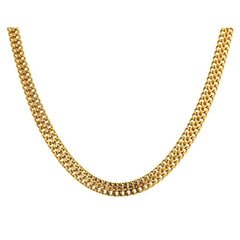



Keeping your silver necklace clean and free from tarnish is crucial for maintaining its beauty and brilliance. Over time, silver can darken due to exposure to air, moisture, and various chemicals. This guide provides precise, step-by-step instructions on how to effectively clean silver necklaces, remove tarnish, and restore their original luster, ensuring they look stunning for years to come.
Explore our earrings collection for pieces that complement your style.
To effectively clean your silver necklace, gather the following items:
* Soft, lint-free cloths: Several pieces for cleaning, drying, and polishing. * Small bowl or container: For mixing solutions or soaking. * Baking soda: A common household item for gentle abrasion. * Distilled water: For mixing pastes and rinsing to avoid water spots. * Mild dish soap: A few drops for gentle cleaning (pH-neutral, dye-free). * Soft-bristled brush: An old, soft toothbrush works well for intricate designs or chain links. * Silver polishing cloth: Specifically designed for buffing and adding shine. * Airtight storage bags or containers: For proper storage after cleaning. * Cotton swabs: For precise application on delicate areas.
Step-by-Step Instructions
This method focuses on using baking soda, a gentle and effective way to remove tarnish from most silver necklaces.
1. Prepare a Baking Soda Paste: * In a small bowl, mix 2-3 tablespoons of baking soda with just enough distilled water to form a thick, spreadable paste. Aim for a consistency similar to toothpaste. * Ensure the paste is smooth and free of large clumps to prevent scratching.
2. Apply the Paste to Your Necklace: * Place your silver necklace on a clean, soft cloth. * Using your fingers or a cotton swab, gently apply the baking soda paste to all tarnished areas of the necklace. * For chain links, roll the chain in a small amount of paste. For pendants, apply carefully, especially around settings or intricate designs.
3. Gently Rub Away Tarnish: * Using a clean, soft cloth or a soft-bristled brush (like an old toothbrush), gently rub the paste onto the silver surface in small, circular motions. * Focus on areas with visible tarnish. For chain links, lightly scrub each link, working through the entire length of the chain. * Avoid aggressive scrubbing, which can scratch the silver. This process should be gentle and patient. Continue rubbing until the tarnish begins to lift.
4. Rinse Thoroughly: * Hold the necklace under cool, running distilled water. * Ensure all traces of the baking soda paste are completely rinsed off. Residue can leave dull spots or further tarnish. * Check all nooks and crannies, especially chain links and pendant settings, to confirm no paste remains.
5. Dry Completely: * Immediately after rinsing, gently pat the necklace dry with a clean, soft, lint-free cloth. * Ensure the necklace is *absolutely dry* before proceeding to the next step or storing it. Any moisture left behind can lead to tarnish. * You can let it air dry for a few minutes on a clean cloth, but prompt drying is best.
6. Polish for Shine: * Once dry, use a silver polishing cloth to gently buff the entire necklace. * Rub in consistent, even strokes to bring out the silver's natural shine. * This step removes any lingering dullness and enhances the necklace's brilliance.
Common Mistakes to Avoid
Understanding what not to do is as important as knowing what to do when cleaning silver.
* Using Harsh Chemicals: Avoid bleach, ammonia-based cleaners, and abrasive household cleaners. These can permanently damage silver, strip its finish, and harm certain gemstones. * Excessive Scrubbing: Overly aggressive rubbing, especially with abrasive materials, can scratch the silver surface, making it more prone to future tarnish and diminishing its value. * Leaving Cleaning Solutions on Too Long: Silver dips or solutions should only be used for the recommended short duration. Prolonged exposure can cause etching or discoloration. * Not Rinsing Thoroughly: Any residue from cleaning pastes or solutions left on the necklace can cause new tarnish, dull spots, or skin irritation. * Improper Drying: Leaving water on your necklace allows water spots to form and accelerates the tarnishing process. Always dry completely and promptly.
Pro Tips
Elevate your silver cleaning routine with these expert-level insights and specific details.
* Pre-Clean Delicate Pieces: Before deep cleaning, gently wipe your necklace with a soft cloth to remove surface dust or oils. This makes the main cleaning more effective, especially for intricate designs or pieces with gemstones. * Spot Treat Stubborn Tarnish: For very localized or stubborn tarnish spots, create a slightly thicker baking soda paste and apply it with a cotton swab. Let it sit for 5-10 minutes before gently rubbing and rinsing. * Temperature Control for Soaking: If using a warm soapy water soak (as an alternative), ensure the water is genuinely warm, not hot. Hot water can be detrimental to certain gemstones and loosen settings over time. * Check Stone Settings: Before any cleaning, always inspect prongs and settings for gemstones. If any stones appear loose, avoid harsh cleaning methods and consider professional repair to prevent loss. * Special Care for Oxidized Silver: If your silver necklace has an intentional "oxidized" (darkened) finish, avoid abrasive methods like baking soda or silver polish, as these can remove the desired darkened patina. Use only mild soap and water. * Use Anti-Tarnish Strips: When storing your necklace, include anti-tarnish strips in airtight bags or jewelry boxes. These strips absorb sulfur compounds in the air, significantly slowing down the tarnishing process. Replace them every 6-12 months.
Quick Method
For light tarnish or a quick refresh, use this efficient three-step process.
1. Wipe with Polishing Cloth: Gently rub the entire necklace with a dedicated silver polishing cloth. These cloths are impregnated with mild polishing agents. 2. Buff for Shine: Use a clean, soft section of the cloth or a separate lint-free cloth to buff the silver to a bright shine. 3. Store Properly: Immediately place the cleaned necklace in an airtight bag or container to protect it from air exposure.
Alternatives
Beyond baking soda, several other effective methods can clean silver necklaces, catering to different levels of tarnish and convenience.
* Commercial Silver Polish: * Apply a small amount of liquid or cream silver polish onto a soft cloth. * Rub gently onto the necklace, following the product's instructions. * Rinse thoroughly with distilled water and dry completely. These polishes contain mild abrasives and chemical agents designed to remove tarnish. * Silver Cleaning Solution/Dip: * Purchase a commercial silver cleaning solution (dip). * Briefly immerse your necklace in the solution for only a few seconds, strictly following the manufacturer's instructions for timing. * Immediately remove, rinse thoroughly with cool water, and dry completely. *Use with caution on pieces with gemstones, especially porous ones.* * Warm Soapy Water (for light cleaning): * Mix a few drops of mild, pH-neutral dish soap into a bowl of warm (not hot) water. * Soak your necklace for 5-10 minutes. * Gently scrub with a soft-bristled brush, especially on chains and intricate areas. * Rinse thoroughly under cool, running water and dry completely with a soft cloth. This method is best for removing dirt, oils, and very light tarnish.
Summary
Cleaning a silver necklace is essential for maintaining its appeal and involves removing tarnish and restoring its shine through gentle, appropriate methods. Key techniques include using a baking soda paste for effective tarnish removal, commercial silver polish, or warm soapy water for lighter cleaning. Always prioritize gentle, non-abrasive actions to avoid scratching. After cleaning, ensure a thorough rinse and complete drying, followed by polishing. To prevent future tarnish, proper storage in airtight conditions and regular wiping after wear are crucial. Consistent care ensures your silver necklace remains bright and beautiful.
FAQ
Q: How often should I clean my silver necklace?A: For frequently worn necklaces, a light clean with a polishing cloth weekly is ideal, with a deeper clean every 1-3 months. Infrequently worn pieces can be cleaned as needed when tarnish appears.
Q: Can I use toothpaste to clean my silver necklace?A: While some non-gel toothpastes can work due to their mild abrasives, it's generally not recommended. Toothpaste often contains harsher abrasives or ingredients that can scratch silver or leave residue, making baking soda a safer alternative.
Q: What causes silver to tarnish quickly?A: Exposure to sulfur-containing compounds in the air (like pollution or rubber), moisture, humidity, sweat, certain chemicals (perfumes, hairspray, chlorine), and even some foods (onions, eggs) can accelerate tarnishing.
Q: How do I store silver necklaces to prevent tarnish?A: Store silver necklaces individually in airtight bags, flannel pouches, or jewelry boxes lined with anti-tarnish fabric. Include anti-tarnish strips to absorb airborne sulfur, and keep them in a cool, dry place away from direct sunlight.
Q: Is it safe to clean silver necklaces with gemstones?A: It depends on the gemstone. Most hard stones like diamonds can withstand gentle cleaning, but porous or soft stones (e.g., pearls, opals, turquoise, emeralds) require extreme caution. Avoid harsh chemicals, hot water, and prolonged soaking, and research specific stone care.
Q: What should I do if my silver necklace is heavily tarnished?A: For heavily tarnished items, commercial silver dips or professional cleaning are often more effective. Use dips cautiously, following instructions precisely. For valuable, antique, or heavily detailed pieces, professional cleaning is the safest option.