





SEO-friendly HTML is crucial for blog articles because it helps search engines understand and index your content effectively. Proper HTML structure, semantic tags, and clean markup improve your content's visibility in search results.
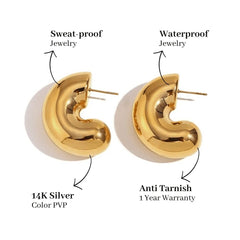
Explore our earrings collection for pieces that complement your style.
Why SEO-Friendly HTML Matters
Search engines rely on HTML structure to understand the hierarchy and importance of content. Using proper heading tags (H1, H2, H3), semantic HTML elements, and clean markup helps search engines crawl and index your articles more effectively.
Key Elements of SEO-Friendly HTML
- Proper heading hierarchy: Use H1 for main titles, H2 for major sections, and H3 for subsections
-
Semantic HTML: Use appropriate tags like
, , and to structure content - Clean markup: Avoid unnecessary nested divs and inline styles that can confuse search engines
- Alt text for images: Always include descriptive alt attributes for images
- Meta tags: Include proper meta descriptions and title tags
Best Practices
When creating blog articles, ensure your HTML is clean, well-structured, and follows SEO best practices. This includes using proper heading tags, semantic HTML elements, and ensuring your content is accessible and easy for search engines to parse.
Discover our new arrivals and Shop Jewelry
Ready to find your perfect piece? browse our jewelry collection.