



The article will guide you through effective methods to prevent your jewelry from leaving unsightly green marks on your skin, ensuring your favorite pieces can be worn comfortably and without worry. You'll learn the underlying causes of this common issue and Discover our new arrivals and discover practical, step-by-step solutions to keep your skin pristine.
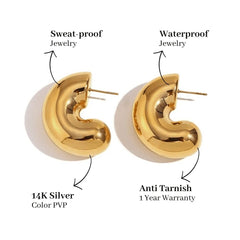
Explore our earrings collection for pieces that complement your style.
- Clear nail polish (hypoallergenic, quick-drying recommended)
- Jewelry cleaning solution (formulated for your specific metal type)
- Soft, lint-free cloth (microfiber ideal)
- Rubbing alcohol (isopropyl alcohol 70% or higher)
- Cotton swabs
- Jewelry polishing cloth
- Desiccant packets (silica gel) for storage
- Jewelry-grade sealant spray (optional, for heavily worn pieces)
Step-by-Step Instructions
- Clean Your Jewelry Thoroughly:
- Submerge the jewelry in an appropriate jewelry cleaning solution for the time specified by the manufacturer, typically 5-10 minutes.
- Use a soft brush (like an old toothbrush) to gently scrub away any dirt or residue from crevices.
- Rinse the jewelry under cool, running water to remove all cleaning solution.
- Dry completely with a soft, lint-free cloth. Ensure no moisture remains, as this can exacerbate tarnishing.
- Apply a Protective Barrier:
- Ensure the jewelry is completely dry.
- Brush a thin, even coat of clear nail polish onto all surfaces of the jewelry that directly contact your skin (e.g., the inside of a ring, the back of a pendant, clasp areas).
- Allow the first coat to dry completely for at least 15-20 minutes, or as per nail polish instructions.
- Apply a second thin coat for added durability.
- Let the jewelry cure for at least 24 hours before wearing to ensure the polish is fully hardened and non-tacky.
- Maintain Skin Cleanliness:
- Before wearing jewelry, ensure your skin is clean and dry. Lotions, perfumes, and natural skin oils can react with metals and contribute to green marks.
- Apply any body products and allow them to fully absorb into your skin before putting on jewelry.
- Regularly Reapply Barrier:
- Inspect your jewelry every 2-4 weeks, or more frequently if worn daily.
- If the protective barrier appears chipped, worn, or dull, remove it using nail polish remover (avoiding gemstones if possible, or using a cotton swab for precision).
- Repeat Step 2 to reapply a fresh coat. This addresses common issues with barrier breakdown.
- Proper Storage:
- Store jewelry in a dry, airtight container or a jewelry box with anti-tarnish lining.
- Include desiccant packets (like silica gel) to absorb excess moisture, which can accelerate tarnishing and reactivity.
- Keep pieces separated to prevent scratching and minimize air exposure.
Common Mistakes to Avoid
- Wearing jewelry immediately after applying lotions or perfumes: Chemicals and moisture on the skin react with metals, particularly copper alloys, leading to rapid oxidation and green marks. Always allow products to fully absorb.
- Neglecting to clean jewelry regularly: Accumulated dirt, oils, and sweat on the jewelry surface create a prime environment for chemical reactions that cause discoloration.
- Using abrasive cleaners or materials: Harsh chemicals or rough cloths can damage the metal plating or the jewelry itself, exposing the underlying reactive metals. Always use cleaners designed for jewelry.
- Storing jewelry in humid environments: Moisture in the air accelerates oxidation, even for plated items. Bathrooms are particularly bad storage places.
- Applying too thick a coat of clear nail polish: Thick coats can be prone to peeling and bubbling, offering less durable protection and an unsightly finish. Aim for thin, even layers.
Pro Tips
- Select Hypoallergenic Clear Nail Polish: Opt for 3-free or 5-free formulas to minimize exposure to harsh chemicals, which can be irritating to sensitive skin and may even react with some jewelry metals. This is a best practice for "what not to do" with harsh chemicals.
- Consider Jewelry-Grade Sealants: For high-value or frequently worn pieces, invest in a specialized jewelry sealant spray. These often offer superior adhesion and durability compared to standard clear nail polish, lasting up to several months per application. Apply in a well-ventilated area following product instructions.
- Understand Metal Composition: Educate yourself on the metals in your jewelry. Copper and nickel are primary culprits for greening. Knowing the composition helps you predict and prevent issues. For instance, solid sterling silver (92.5% silver, 7.5% copper) can still tarnish, but pure gold and platinum are generally non-reactive.
- Rhodium Plating for Sterling Silver: If you frequently wear sterling silver, consider having it rhodium plated by a professional jeweler. Rhodium is a noble metal that provides a brilliant, tarnish-resistant barrier, significantly reducing the likelihood of green marks and requiring less frequent maintenance.
- Rotate Your Jewelry: Allow your skin and jewelry to "breathe." Rotating your pieces, especially rings worn daily, reduces constant exposure to skin oils and moisture, prolonging the effectiveness of protective measures.
Quick Method
- Clean: Wipe the jewelry thoroughly with a cotton swab dampened with rubbing alcohol to remove oils and residue. Let air dry completely for 1 minute.
- Coat: Apply a single, thin coat of clear nail polish to all skin-contacting surfaces.
- Dry: Allow to dry fully for 20 minutes before wearing.
- Store: Place in a dry, closed container when not in use.
Alternatives
- Jewelry-Specific Sealants: Instead of clear nail polish, use a commercially available jewelry sealant designed for metal protection. These products are often more durable and less prone to chipping. Brands like "Jewelry Shield" or "Ringsafe" are examples.
- Waxing: For larger, non-porous jewelry pieces, a thin coat of renaissance wax or microcrystalline wax can create a barrier. Apply with a soft cloth, let set, then buff to a shine. This is less common for intricate items but effective for certain types of metalwork.
- Professional Plating: For persistent issues with non-precious metals or base metals, consider having a professional jeweler plate the item with a non-reactive metal like rhodium, palladium, or even a thicker gold plating. This is a more permanent solution for avoiding green marks.
- Wearing Undergarments: For necklaces or pendants, wearing a lightweight base layer (like a silk camisole or cotton undershirt) can create a physical barrier between the jewelry and your skin, though this isn't practical for rings or bracelets.
Summary
Preventing green skin marks from jewelry primarily involves creating a barrier between the metal and your skin, regular cleaning, and proper storage. Applying clear nail polish or a specialized sealant, ensuring jewelry is dry and clean before wear, and storing items in low-humidity environments are key to avoiding this common nuisance. Understanding your jewelry's metal composition also aids in proactive prevention.
FAQ
Q: Why does my skin turn green when I wear certain jewelry?A: Green skin marks occur when metals in your jewelry, primarily copper (often found in sterling silver, brass, or cheap alloys), oxidize upon contact with your skin's natural oils, sweat, lotions, or perfumes. This reaction creates copper salts, which are green and can temporarily stain your skin.
Q: How often should I reapply clear nail polish to my jewelry?A: For frequently worn items, reapply clear nail polish every 2-4 weeks, or as soon as you notice the existing barrier beginning to chip, peel, or wear thin. Less frequently worn pieces may only need reapplication every few months.
Q: Can wearing fake jewelry cause a green mark?A: Yes, "fake" or costume jewelry is a very common cause of green marks because it often uses base metals like copper, brass, or nickel, which are highly reactive and prone to oxidation when exposed to skin and moisture.
Q: Is the green mark from jewelry harmful to my skin?A: Generally, no. The green discoloration is usually a superficial, temporary stain caused by copper oxidation and is not considered harmful. Some individuals with sensitive skin might experience mild irritation, but severe allergic reactions are less common and typically linked to nickel content.
Q: Will sterling silver jewelry turn my skin green?A: Sterling silver is an alloy made of 92.5% silver and 7.5% copper. While silver itself doesn't cause green marks, the copper content can react with skin and moisture to produce a greenish or blackish tarnish that may temporarily stain the skin.
Q: What is the best way to clean green marks off my skin?A: Green marks can usually be easily removed from skin with soap and water. If stubborn, gently rub the area with a cotton ball soaked in rubbing alcohol or a mild makeup remover, then rinse thoroughly.