


Stopped packing by category years ago. I used to do what most people do — pull things I loved out of the closet, throw them in a bag, and figure out what goes together at the hotel. Then I’d end up with five tops, two bottoms, nothing matching, and somehow still feel like I had nothing to wear.
Running a boutique fixed that fast. When you’re constantly building outfits for customers — pulling the necklace, the shoe, the top all at once — you start thinking in complete looks instead of pieces. That change alone transformed how I pack.
Here’s the method. It’s not complicated, but it’s specific, and the specifics are what actually work.
How to Pack a Suitcase Efficiently — Start With the Outfits, Not the Clothes
The mistake is opening the suitcase first. You start with the bag open, you pull things you like, and you end up with pieces that don’t connect. A top with no bottom. Shoes that match nothing. Six options for one day and nothing for the dinner you already have a reservation for.
I build the outfits first — everything laid out on the bed before the suitcase comes out. Top, bottom, shoes, jewelry, bag. The whole look. For every day I’m traveling, plus one extra for the thing that comes up unexpectedly (it always does).
Then I do the cut. Anything that doesn’t work with at least two other things in that pile doesn’t make the trip. That single-use dress that only goes with one pair of shoes and nothing else? It stays home. That blazer that works with the jeans, the trousers, and thrown over the going-out dress? It earns its space.
What’s left is your packing list. The bag never even opens until I know exactly what’s going in it.
This is how to pack efficiently — not compression tricks, not vacuum bags. Just only bringing what you’ll actually wear.
The Fold vs. Roll vs. KonMari Debate — Here’s the Actual Answer
I’ve tried all three methods enough to know it’s not either/or. The right technique depends on what you’re packing.
Roll soft fabrics: jersey, t-shirts, knitwear, casual cotton, swimwear, workout clothes. Roll tight, from hem to collar. Rolling prevents the horizontal fold crease you’d get otherwise and saves real space. This is where most packing guides are right.
Fold flat structured pieces: blazers, tailored trousers, silk blouses, anything with seams that need to hold their shape. Fold lengthwise first, then inward. Layer a dry cleaning bag or tissue paper between folds on anything delicate. The fabric doesn’t want to be rolled — it’ll crease along the roll line instead of staying smooth.
KonMari method for everything else: fold into small compact rectangles and stand them upright in packing cubes — like files in a drawer. Fold the sides inward, then fold in thirds until you have a tight rectangle, then stand it vertically. You can see every single item without digging, and it compresses without the wrinkle damage that tight rolling causes on the wrong fabrics. I use this for casual dresses, shorts, and most tops that aren’t jersey.
Bundle wrapping for your most wrinkle-prone pieces: wrap items around a small central core (like a pouch of underwear). The even tension keeps them smoother than standard folding. Worth the extra minute for the dress you’re wearing to dinner your first night.
How to Pack a Blazer or Suit in a Suitcase
Structured pieces are the hardest to pack and the most expensive to get wrong. I’ve ruined things I loved by not doing this right early on.
The method:
- Turn the blazer inside out so the lining faces outward — it’s more slippery and won’t crease as easily
- Fold one shoulder inside the other so the jacket folds in half lengthwise
- Lay flat on top of everything else, not compressed underneath anything
- Wrap it loosely in a dry cleaning bag if you’re worried about the trip
Blazers and suit pieces go in last, on top. Always. If you’re the kind of person who opens the bag at the hotel and finds everything tangled, this is the rule that changes that.
If something still arrives with wrinkles: hang it in the bathroom and run a hot shower. Steam relaxes most travel creases in 10–15 minutes without an iron. I’ve done this at more hotels than I can count — it works on wool, linen, structured cotton, almost everything.
How to Pack a Carry On Suitcase
Carry-on only has become my default for anything under a week. It forces decisions I’d otherwise avoid, and I’ve never once arrived wishing I’d checked a bag.
A standard carry-on is 22” x 14” x 9”. For most airlines, that fits 4–5 days of real outfits — not just basics, actual outfits — when you’re deliberate about it.
What I leave out: full-size toiletries (everything gets decanted into travel bottles), more than two pairs of shoes, “just in case” pieces that don’t match anything specific, and jeans (one pair, worn on the plane, not in the bag).
What I maximize: packing cubes — they make a carry-on feel twice as big — and fabrics that travel well. Jersey, linen, polyester blends. They shake out, they breathe, they don’t crease sitting in overhead storage for four hours. If I’m going somewhere where I need real going-out looks, I check what I’m planning and build around those pieces rather than after the fact.
My non-negotiable: wear the heaviest things on the plane. Jeans, chunky boots, a jacket. Everything that takes up space goes on my body, not in the bag. It sounds obvious, but most people skip it.
If you’re planning a beach trip and need outfits that work from the pool into the evening, the pool-to-dinner formula I put together is exactly what I pack for that — it’s how I think about building Florida-to-vacation looks that cross occasions without taking up double the space.
What to Pack in Your Personal Item (In Case Your Bag Gets Lost)
Airlines lose bags. I’ve had it happen — not often, but enough to be religious about this rule.
Everything irreplaceable lives in my personal item (the under-seat bag), no exceptions:
- One complete outfit including underwear
- Any medications I can’t skip
- All jewelry — never in a checked bag, ever
- Electronics and chargers
- Travel-size toiletries
If your bag gets delayed 24 hours, you can wear the same jeans two days in a row. You cannot recreate a necklace that got lost somewhere between Miami and wherever. The jewelry goes with you. That’s the one rule I don’t bend on.
If you travel carry-on only, you’re already covered. If you check a bag, this list is not optional.
What Doesn’t Work (Stop Packing This Way)
Rolling everything. Rolling works for casual fabrics. Rolling a silk dress or a blazer makes it worse. Know what to roll and what to fold — it’s not a universal method, and treating it like one is why things arrive looking like you slept in them.
Overpacking shoes. I sell shoes. I love shoes. And I still only travel with two pairs for anything under a week, three at absolute most for two weeks. Shoes are heavy, take disproportionate space, and you’ll wear one or two pairs the whole trip. The rest stay in the hotel room. Wear the heaviest pair on the plane.
Packing outfits without trying them on first. This one cost me a whole day in New York once. I packed a dress I hadn’t worn in months, the fit was completely off, and I had nothing to replace it with. Before every trip now, I actually put on each complete outfit — shoes included — so I know it works. Ten minutes at home saves a bad travel day.
Packing the night before. I pack three days before I leave. That gap is where you notice what’s missing, what doesn’t actually fit anymore, what needs to be washed. The night before, you’re tired and panicked and you make bad choices you’ll wish you hadn’t. Three days early, you catch everything. Add daily items like your skincare the morning of departure.
Skipping the jewelry plan. Jewelry is an afterthought for most people. It shouldn’t be. A necklace changes the whole register of an outfit — casual to pulled together, day to night. Know which pieces go with which looks before you pack, and pack them together. And if something gets spilled on vacation — red wine, sunscreen, whatever — knowing how to treat it fast by fabric type is what saves the outfit.
The Jewelry Problem — And How to Fix It
This is where most packing goes sideways. You throw a few pieces into a pouch, everything tangles, you spend twenty minutes at the hotel untangling a knot, and you end up wearing the same two necklaces every day because they’re the only ones you can find.
I’ve been packing jewelry for boutique buying trips, pop-ups, markets, and personal travel for years. The fix isn’t a better jewelry pouch. It’s packing by outfit instead of by category.
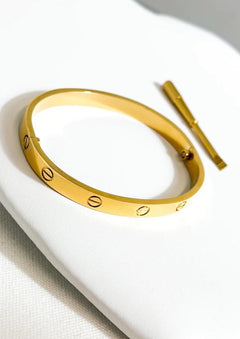
One necklace, one pair of earrings, one bracelet — per look. They go together in a small zip bag. When I’m getting dressed, I grab that one bag and I’m done. No digging through a tangled pile trying to remember what I planned to wear with what.
For dainty chains specifically: thread them through a drinking straw before packing. One chain per straw, clasp locked around the outside. They won’t tangle, they won’t kink, and they’re easy to thread back on when you’re ready to wear them.
Going somewhere you need statement pieces — a night out, a nice dinner, a club look that’s actually put together? Pack those intentionally the same way. The going-out necklace and hoops go in their own bag, with the outfit they belong to.
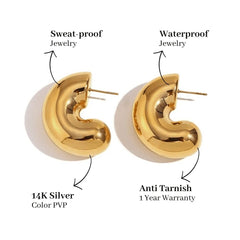
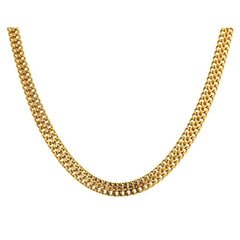
If you need new pieces that travel well, gold necklaces and hoop earrings are what I reach for. Pieces that work day and night, don’t require special care, and don’t take up space.
What to Pack (The Actual List)
This is my base for a 5-day trip. Scale down for shorter trips — the ratios stay the same.
Clothing:
- 5 tops (2 casual, 2 going-out, 1 that works as both)
- 3 bottoms (1 jeans/pants, 1 skirt or dress, 1 shorts or second pants)
- 2 dresses (1 day, 1 night)
- 1 jacket or blazer
- 5 sets of underwear + 1 extra
- 2 bras (1 everyday, 1 strapless or backless)
- 1 swimsuit (2 for a beach trip)
- 1 loungewear set for the hotel
Shoes:
- 1 pair sandals or flats
- 1 pair heels or dressed-up shoe
- 1 pair sneakers (worn on the plane)
Accessories:
- 3–4 jewelry sets, packed by outfit
- 1–2 bags (clutch + crossbody)
- 1 scarf (doubles as cover-up, plane blanket, or evening layer)
The scarf is always on the list. It’s the most versatile piece I travel with — I’ve worn mine as a top, a sarong over a swimsuit, a wrap on cold flights, and tied around a bag. It takes up no space and solves about five different packing problems.
Common Packing Questions, Answered
What is the best way to pack a suitcase?
Plan complete outfits before you touch the bag. Use packing cubes to stay organized. Roll soft fabrics, fold structured pieces. Shoes go in first along the bottom spine. Blazers and structured pieces go in last, on top. That combination beats any single method on its own.
Is it better to roll or fold clothes in a suitcase?
Both, depending on the fabric. Roll jersey, t-shirts, and knitwear. Fold blazers and structured pieces. For most casual tops and dresses, the KonMari method — folded into compact upright rectangles — saves the most space while staying wrinkle-free.
What is the KonMari packing method?
Fold clothes into small rectangles that stand upright in your bag, like files in a drawer rather than stacked. Fold the sides inward to create a rectangle, then fold in thirds until compact. Stand vertically in packing cubes. You see everything at a glance, nothing shifts, and you’re not excavating the bag to find the one thing you need.
Do packing cubes actually save space?
Yes — especially paired with rolling or KonMari. They compress clothing, prevent shifting, and keep your bag organized so you’re not unpacking everything every time you need something. They’re especially worth it on trips where you’re moving between multiple places and living out of your bag.
How do you pack a suitcase without wrinkles?
Roll soft fabrics. Fold structured pieces on their natural seams. Layer tissue paper or dry cleaning bags between folds on anything delicate. Put structured pieces on top last. If something still arrives wrinkled, hot shower steam for 10–15 minutes handles most of it.
What should you pack first in a suitcase?
Shoes first, sole-down along the spine. Then heavier items — jeans, denim. Rolled clothing next. Structured pieces like blazers go in last, on top, so they don’t get compressed under everything else.
How do you fit more clothes in a suitcase?
Plan outfits so nothing is wasted. Roll soft fabrics. Use packing cubes. Stuff socks inside shoes. Wear your bulkiest outfit on travel day. Only pack items that work with at least two other pieces — single-use items are the number one cause of overpacking.
What is the best packing method for a carry-on suitcase?
Packing cubes plus rolling for soft items and KonMari for everything else. Wear your heaviest shoes and jacket on the plane. Two pairs of shoes maximum. Decant toiletries. A standard carry-on can hold 4–5 days of real outfits packed this way.
How do you pack jewelry so it doesn’t tangle?
Thread necklaces through a drinking straw before packing. Store earrings and rings in a pill organizer or compartmentalized pouch. Pack jewelry by outfit in individual small zip bags. Keep all jewelry in your personal item — never in checked luggage.
What should I keep in my carry-on in case my bag gets lost?
One complete outfit, two days of underwear, any medications, all jewelry, electronics and chargers, and travel-size toiletries. Everything replaceable can go in checked luggage. Everything irreplaceable — especially jewelry — travels with you.
One More Thing
The girls who always look good on vacation aren’t packing more. They’re packing with a plan — every outfit decided before the bag zips, every necklace assigned to a look, nothing wasted on pieces that only work alone.
Bring less. Wear more of it. Travel better.
When you’re building out the jewelry side of your packing list, new arrivals at Mabel Love Co is where I’d start — or browse accessories and jewelry for pieces built for real wear, real trips, real life.